Body-Focused Repetitive Behavior Therapy for Children, Teens, and Young Adults
Compassionate, Specialized Support for Behaviors That Feel Difficult to Control

When your child is pulling their hair, picking their skin, biting their nails, or engaging in another repetitive behavior they cannot seem to stop, it can be difficult to know how to help.
Maybe you have noticed thinning hair, bald spots, scabs, sores, or damage around their nails. Perhaps your child spends long periods of time in front of the mirror, covers certain areas of their body, or becomes defensive when you mention the behavior. They may promise to stop, only to begin pulling, picking, or biting again without fully realizing it.
Body-focused repetitive behaviors, commonly called BFRBs, are more than “bad habits.” They are repetitive self-grooming behaviors that can be difficult to control and may cause physical damage, emotional distress, embarrassment, or interference with daily life.
BFRBs can happen when a child is anxious or overwhelmed, but they can also occur when they are bored, tired, concentrating, or relaxing. Some behaviors are focused and intentional, while others happen almost automatically.
Because BFRBs are widely misunderstood, many children and teens try to hide them or feel ashamed that they cannot “just stop.” Treatment can help young people better understand their patterns, respond differently to urges, and develop practical strategies for managing these behaviors.
Julie’s Approach to BFRB Therapy
Therapy is not about criticizing the behavior or relying on willpower. It is about becoming curious about what is driving it.
Julie primarily uses Comprehensive Behavioral Treatment, known as ComB, an individualized treatment approach for BFRBs. ComB helps identify the unique combination of sensations, thoughts, emotions, movements, and environmental situations connected to a child’s behavior. Once these patterns become clearer, Julie and the child can select strategies that address their specific triggers and needs.
Treatment may include building awareness, changing aspects of the environment, finding safer ways to meet sensory needs, practicing alternative responses, and learning how to navigate urges without automatically acting on them.
Julie also weaves in elements of mindfulness, Acceptance and Commitment Therapy (ACT), and Cognitive Behavioral Therapy (CBT). These approaches can help young people notice urges and emotions with less judgment, relate differently to difficult thoughts, tolerate discomfort, and make choices guided by what matters to them.
Every BFRB serves a different function for every child. Treatment should be just as individualized.

Could My Child Be Struggling With a BFRB?
BFRBs may involve pulling, picking, biting, chewing, or scraping the hair, skin, lips, cheeks, or nails. Hair pulling and skin picking are two of the most commonly recognized BFRBs, but these behaviors can take many forms.
You may notice your child:
Pulling hair from their scalp, eyebrows, eyelashes, or other areas
Picking at acne, scabs, bumps, dry skin, or perceived imperfections
Biting or picking their nails or the skin surrounding them
Biting the inside of their cheeks or lips
Searching for hairs, bumps, or areas of skin that feel “different” or “not right”
Spending extended periods of time in front of a mirror or in the bathroom
Touching, rubbing, or scanning their hair or skin before pulling or picking
Developing bald spots, thinning hair, scabs, sores, bleeding, or scarring
Hiding affected areas with clothing, makeup, hairstyles, hats, or bandages
Avoiding haircuts, swimming, sleepovers, sports, medical appointments, or social situations
Pulling, picking, or biting while doing homework, reading, watching television, using a device, or trying to fall asleep
Saying the behavior feels soothing, satisfying, stimulating, or relieving
Becoming frustrated or ashamed after trying unsuccessfully to stop
Appearing unaware that the behavior is happening until someone points it out
This is not an exhaustive list. BFRBs can be surprisingly difficult to recognize, particularly when a child performs the behavior privately or has become skilled at concealing its effects.
Parents often have a sense that something is not quite right before they understand exactly what they are seeing. If your instincts are telling you that your child is struggling, those concerns are worth exploring.
Your Questions Answered
-
Body-focused repetitive behaviors are repetitive self-grooming behaviors involving the hair, skin, nails, lips, cheeks, or other parts of the body. Common examples include:
Hair pulling, also known as trichotillomania
Skin picking, also known as excoriation disorder or dermatillomania
Nail biting or nail picking
BFRBs can cause physical damage, but that damage is not usually the person’s intention. A child may be seeking relief, stimulation, satisfaction, smoothness, or a sense that something feels “just right.” The behavior may also occur so automatically that the child does not recognize it until afterward.
BFRBs are not simply a failure of self-control, and they are not the result of poor parenting. They are complex behaviors that may be influenced by biological, sensory, emotional, cognitive, and environmental factors.
Childhood anxiety can take many forms, including:
Generalized Anxiety
Persistent worries about everyday situations and future events
Social Anxiety
Fear of being judged, embarrassed, or rejected by peers, teachers, coaches, or other people.
School Anxiety
Difficulty attending school, worries about performance, fear of making mistakes, or emotional distress related to academic expectations.
Separation Anxiety
Intense worry about being away from parents or caregivers, often leading to difficulty with drop-offs, sleepovers, or independent activities.
Performance Anxiety
Stress related to sports, academics, public speaking, auditions, tests, or other situations where children feel pressure to succeed.
Health Anxiety
Frequent concerns about illness, symptoms, injuries, or physical health.
-
BFRBs are not generally considered intentional self-harm.
Although pulling, picking, or biting can cause injury, the purpose of a BFRB is typically not to hurt the body. The physical damage is an unintended consequence of a behavior that may provide sensory stimulation, emotional regulation, relief, or satisfaction.
This distinction matters. Responding to a BFRB with alarm, punishment, or shame can increase secrecy and emotional distress. A more helpful response begins with understanding the function of the behavior and helping the child develop safer, more effective ways to meet the same need.
If there is any concern that a child is intentionally hurting themselves, expressing suicidal thoughts, or experiencing a medical complication, additional evaluation should be sought promptly.Perfectionism
Procrastination
Defiance
Clinginess
Irritability
Anger
Avoidance
Frequent physical complaints
Emotional meltdowns
Withdrawal
Parents are often surprised to learn that behaviors that look oppositional or “dramatic” can be driven by fear underneath the surface. Understanding what anxiety looks like is often the first step toward helping children feel better.
-
Julie uses Comprehensive Behavioral Treatment, or ComB, as her primary approach to treating BFRBs.
ComB is collaborative and individualized. Rather than assuming every child pulls, picks, or bites for the same reason, treatment explores the circumstances surrounding that child’s behavior.
Julie may help a child and family examine:
Sensory experiences, including textures, tingling, itching, pressure, or the desire for smoothness
Thoughts and beliefs that encourage the behavior
Emotions such as boredom, frustration, anxiety, excitement, or fatigue
Motor patterns, including where the hands go and how the behavior begins
Places, activities, objects, or routines that make the behavior more likely
Once these patterns are identified, Julie helps the child develop targeted strategies. The goal is not to demand perfection or expect urges to disappear overnight. It is to build awareness, expand the child’s choices, reduce the behavior’s impact, and help the child feel more capable of responding to urges.
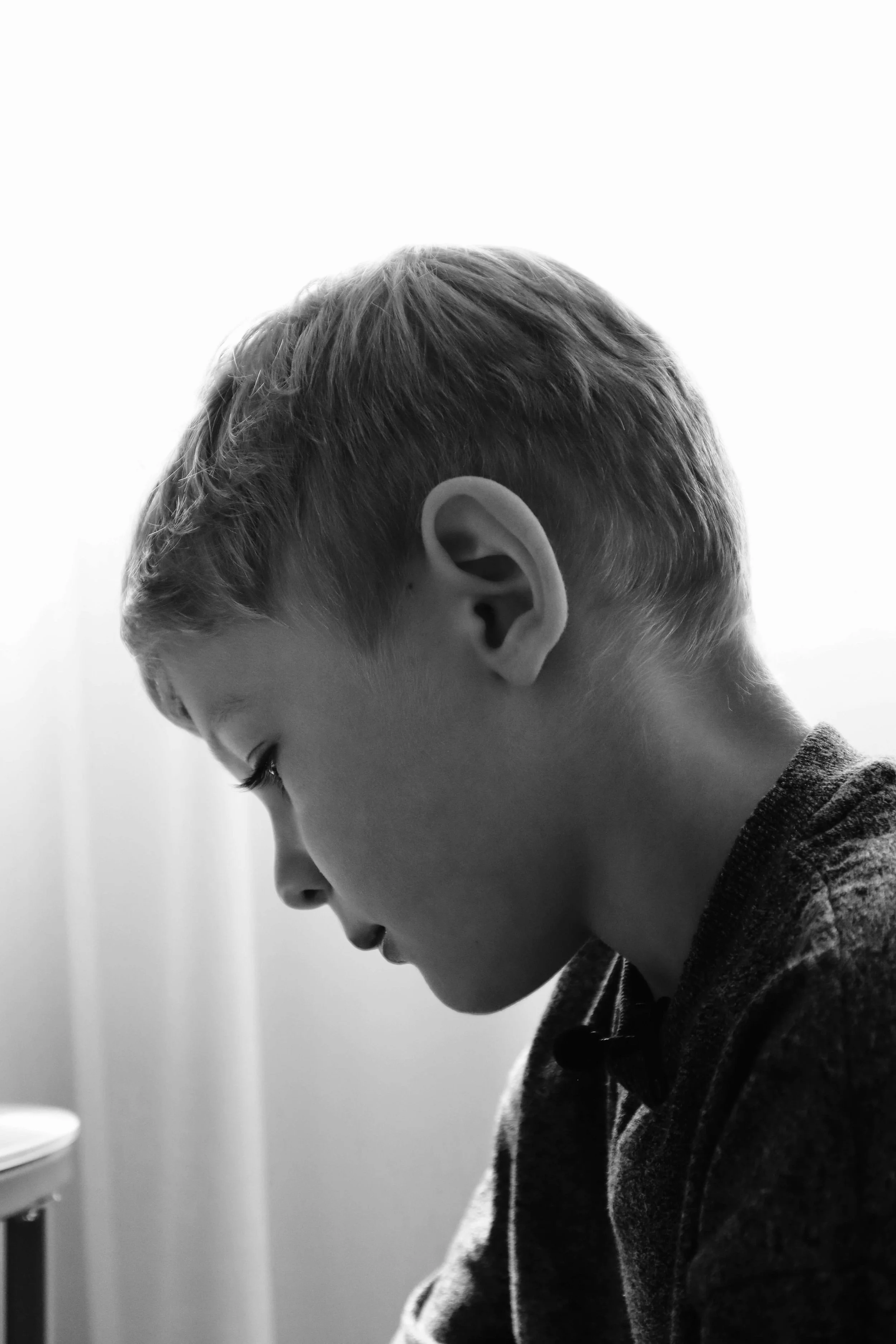
BFRBs Can Look Different at Every Age
BFRBs do not look the same in every child, and they may change as a young person grows.
Some children engage in a BFRB openly without recognizing it as a concern. Others hide the behavior because they feel embarrassed. Some describe a strong physical urge before pulling or picking, while others do not become aware of the behavior until they notice hair in their hand, damage to their skin, or a parent calling attention to it.
The behavior may also shift over time. A child who bites their nails may later begin picking the surrounding skin. A young person who pulls hair from their scalp may begin focusing on their eyebrows or eyelashes. Stress can increase a BFRB, but so can boredom, concentration, fatigue, or quiet downtime.
Understanding when, where, and why the behavior occurs is an important part of helping a child change it.
-
In elementary school, BFRBs may look like:
Pulling hair while reading, watching television, or falling asleep
Picking scabs, bug bites, dry skin, or small bumps
Biting nails or the skin around the nails
Playing with, twisting, or examining hair before pulling it
Having difficulty explaining why the behavior happens
Seeming unaware of the behavior until an adult mentions it
Becoming upset when a parent asks them to stop
Hiding hair loss or damaged skin
Feeling confused or ashamed about being unable to control the behavior
Younger children often need simple, concrete explanations and playful, developmentally appropriate tools. Parent involvement is especially important at this age.
-
In middle school, BFRBs may involve:
Increased pulling or picking during homework, testing, or screen time
Focusing on acne, bumps, scabs, or hairs that feel out of place
Spending more time examining the hair or skin
Hiding affected areas with clothing, makeup, or hairstyles
Avoiding sleepovers, sports, swimming, or social activities
Becoming highly sensitive when someone notices the behavior
Comparing their appearance with peers
Feeling ashamed after an episode and promising it will not happen again
As self-consciousness and social awareness increase, middle schoolers may work hard to hide both the behavior and its effects.
-
In high school, BFRBs may look like:
Pulling, picking, or biting while studying, driving, scrolling, or decompressing
Longer, more focused episodes that are difficult to interrupt
Avoiding photographs, dating, sports, salons, or medical appointments
Using makeup, false eyelashes, hats, or strategic hairstyles to conceal damage
Feeling defeated after repeated attempts to stop
Experiencing shame, isolation, or decreased self-esteem
Avoiding conversations about the behavior
Noticing an increase during periods of stress, fatigue, boredom, or academic pressure
Teens need treatment that respects their independence and privacy while helping parents provide support without monitoring, criticizing, or policing the behavior.
-
In young adulthood, BFRBs may affect:
College, work, or independent living routines
Dating and intimate relationships
Confidence and body image
Concentration, productivity, and sleep
Willingness to participate in social activities
Time spent checking, picking, pulling, concealing, or trying to repair damage
Decisions about haircuts, clothing, travel, roommates, or medical care
Young adults may have lived with a BFRB for years and developed strong feelings of discouragement. Treatment can offer a new way forward, one that’s grounded in understanding and practical change instead of shame.

When Should You Reach Out For Help?
Many parents wonder whether a behavior is “serious enough” for therapy or whether their child will simply outgrow it.
Occasional grooming behaviors are common. A BFRB may warrant professional support when a child repeatedly tries to stop but cannot, when the behavior causes noticeable physical damage or distress, or when it begins to interfere with school, sleep, relationships, confidence, or daily activities.
You do not have to wait until the behavior becomes severe.
It may be time to reach out if your child is experiencing hair loss, sores, bleeding, scarring, infection, pain, significant shame, avoidance, or increasing difficulty controlling the behavior. Medical support may also be appropriate when there are wounds, signs of infection, or other physical concerns.
Early support can help children understand the behavior before it becomes more deeply ingrained. It can also help parents learn how to respond without increasing shame, conflict, or secrecy.
If your instincts are telling you that your child needs help, it is okay to trust them.

Julie’s Approach
Julie brings warmth, humor, honesty, and compassion into her work with children, teens, young adults, and families.
Her approach is collaborative, supportive, and grounded in curiosity. BFRB therapy is not about watching a child’s every move, scolding them when the behavior occurs, or measuring success by perfect abstinence.
It is about helping young people understand themselves.
Julie works with clients to:
Identify patterns and triggers connected to the BFRB
Increase awareness of automatic behaviors
Understand sensory, emotional, cognitive, and environmental influences
Develop individualized strategies for responding to urges
Reduce shame, secrecy, and self-criticism
Practice mindfulness and greater awareness of the present moment
Build flexibility around uncomfortable thoughts, feelings, and sensations
Strengthen confidence and self-advocacy
Make environmental changes that support progress
Develop skills that can be practiced outside of therapy
Sessions are tailored to each child’s developmental level, personality, needs, and goals. Julie uses ComB as the foundation of treatment while integrating mindfulness, ACT, and CBT when those approaches can support the child’s progress.
Most importantly, therapy is a partnership. Julie works alongside children and parents to replace frustration and blame with understanding, practical tools, and hope.
-
The behavior may be focused and intentional at times, but that does not mean your child is choosing to cause damage or upset the family.
Some BFRB episodes happen with full awareness. A child may deliberately search for a particular hair or area of skin because removing it feels satisfying or necessary. Other episodes are automatic and occur while the child is reading, studying, watching television, using a device, or trying to fall asleep.
Many young people experience both focused and automatic behaviors. Treatment helps them recognize these patterns without judgment and build strategies for each one.
-
If simply deciding to stop were enough, most children and teens would have stopped already.
BFRBs can become reinforced because they provide something in the moment, perhaps relief, stimulation, comfort, satisfaction, or escape from an uncomfortable sensation. Over time, the behavior may become automatic and closely connected with particular settings, emotions, movements, or routines.
Repeated reminders such as “stop picking” or “get your hands out of your hair” may interrupt the behavior briefly, but they do not teach the child what to do when the urge returns. They can also leave the child feeling watched, ashamed, or misunderstood.
Specialized treatment focuses on skills, awareness, and individualized strategies rather than willpower alone.
-
Anxiety can be one trigger, but it is not the only cause of BFRBs.
Some children pull or pick more when they feel anxious, stressed, or overwhelmed. Others do so when they are bored, tired, deeply focused, excited, physically uncomfortable, or understimulated. A child may also be responding to a sensory experience, such as a coarse hair, rough patch of skin, scab, or perceived imperfection.
Effective treatment looks at the child’s complete pattern instead of assuming anxiety is always responsible.
-
Yes. Parent involvement is often an important part of BFRB treatment, particularly for younger children.
Julie helps parents understand the behavior, recognize patterns, reduce shame, and create a home environment that supports skill-building. She also helps parents determine when to step in, when to give a child space, and how to talk about the BFRB without turning every interaction into a reminder or inspection.
The level of parent involvement varies depending on the child’s age, needs, and treatment goals.
-
Many children and teens are reluctant to discuss a BFRB because they have spent considerable time hiding it. They may worry that therapy will involve criticism, forced disclosure, or another adult telling them to “just stop.”
Julie begins by building trust and helping the child understand that the behavior does not make them strange, weak, or “bad.” Therapy moves at a developmentally appropriate pace and focuses on collaboration, not punishment.
Children do not need to arrive feeling motivated, confident, or ready to discuss everything. Those qualities can develop as they begin to feel safe and understood.
Your Questions Answered
Support for Parents Too
Watching your child pull, pick, or bite can stir up a lot of emotions.
You may feel scared about physical damage, frustrated that reminders are not helping, or guilty because you do not know how to respond. You may find yourself monitoring your child’s hands, examining their skin or hair, removing tempting objects, or repeatedly asking whether the behavior occurred.
These responses are understandable. You are trying to protect your child.
However, frequent monitoring, criticism, punishment, or visible alarm can unintentionally increase shame and secrecy without addressing what drives the behavior.
Julie works closely with parents to help families:
Better understand BFRB patterns
Replace blame with curiosity
Talk about the behavior in a neutral, supportive way
Reduce criticism, repeated reminders, and monitoring
Identify environmental changes that may help
Encourage skill practice without becoming the “BFRB police”
Support progress without expecting perfection
Respond calmly to setbacks
Protect the child’s confidence and dignity
Parents need support, too. When parents understand the behavior and feel more confident in their response, children are better able to approach treatment with openness and hope.
Helping Your Child Move Forward
BFRBs can leave children and families feeling frustrated, embarrassed, and stuck. But your child is not choosing to struggle, and neither of you has to figure this out alone.
Whether your child is pulling their hair, picking their skin, biting their nails or cheeks, or engaging in another body-focused repetitive behavior, compassionate and specialized support is available.
With greater awareness, practical strategies, and an individualized treatment plan, young people can learn to respond differently to urges, reduce the impact of their BFRB, and feel more confident in themselves.
Progress does not require perfection. It begins with understanding and one manageable step at a time.